Rev. Robert Turner + Rev. Paige Getty
How PATH builds relational power across differences
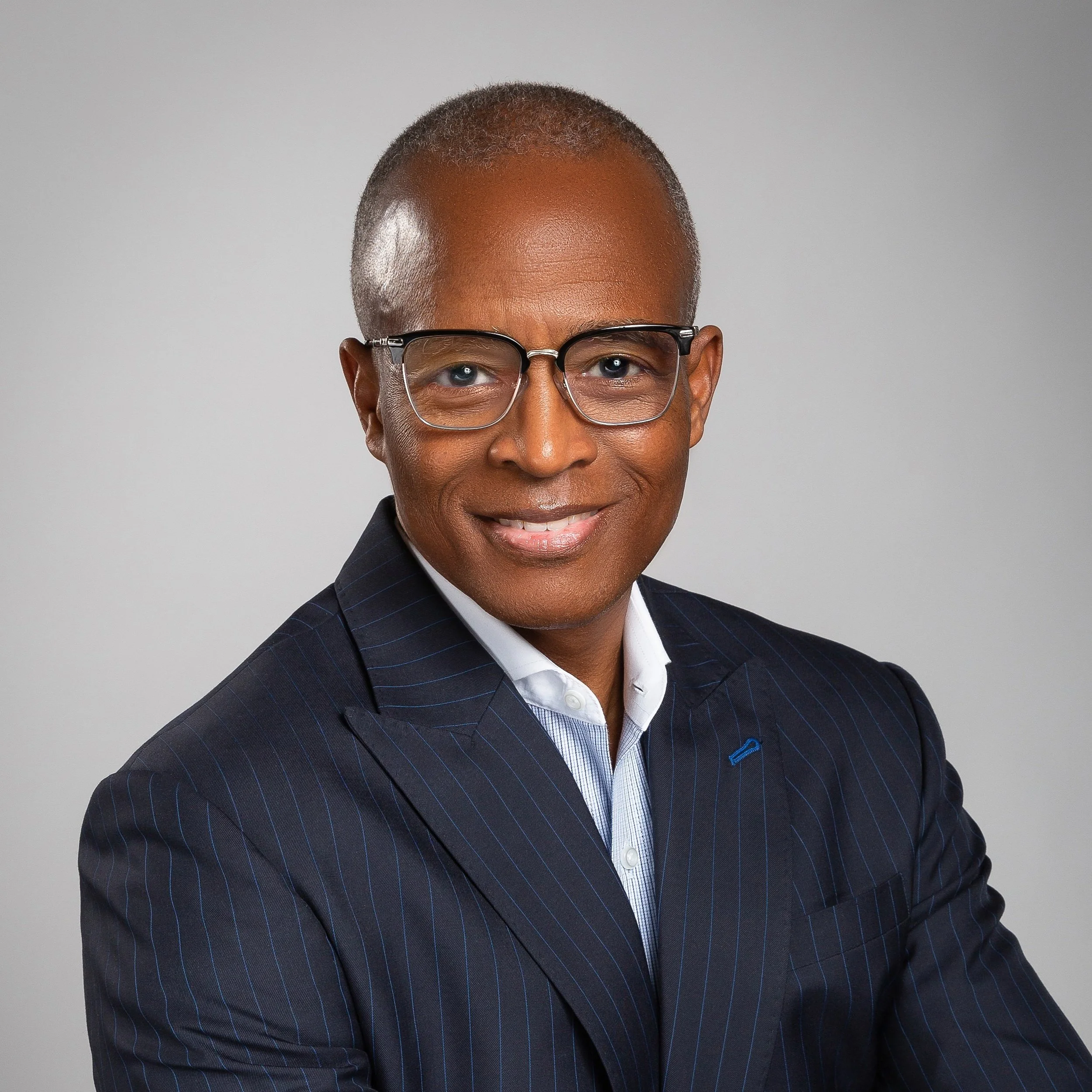
Rev. Robert Turner
Senior Pastor, St. John Baptist Church
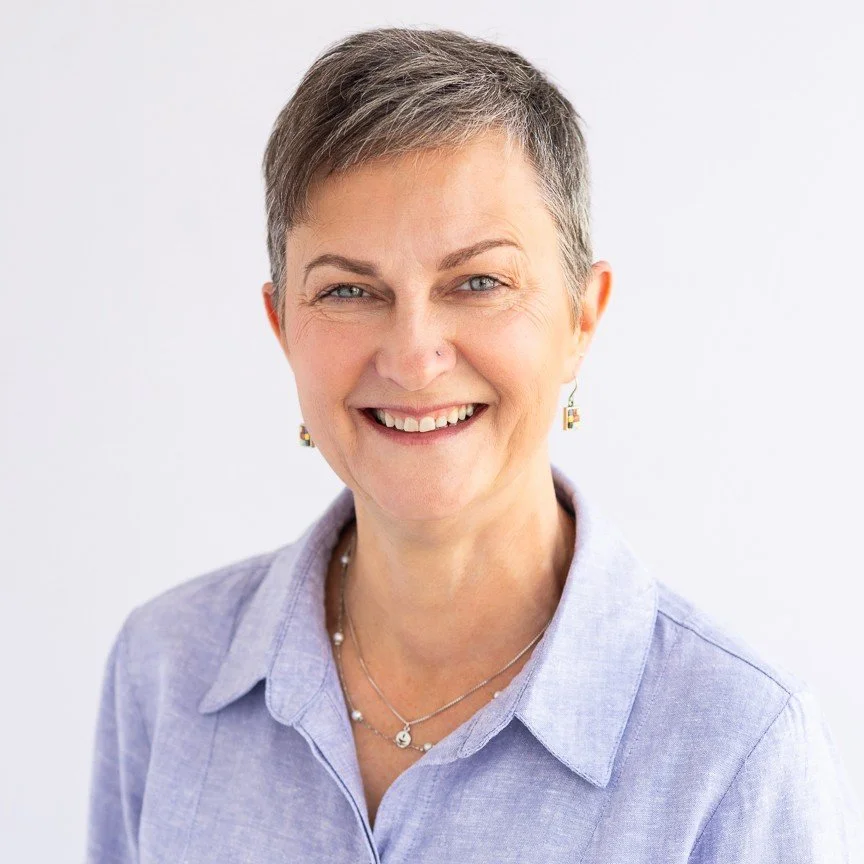
Rev. Paige Getty
Former Minister, Unitarian Universalist Congregation of Columbia (UUCC)
Rev. Paige Getty and Rev. Robert Turner have both served as visionary leaders in PATH for over 15 years. They sat down for a joint interview to reflect on how PATH has helped them and their congregations build relationships across differences and make a bigger impact than they could have alone.
Rev. Turner:
Before St John Baptist Church became involved with PATH, we believed that faith should be lived out through service to the community, and we were already working to address local needs.
But when I met Cynthia Marshall and learned more about PATH's mission, I realized that PATH offered an opportunity to bring together the parallel efforts of our different congregations to multiply our collective impact.
And over the past 20 years, PATH has proven time and time again that we can accomplish far more together than any one congregation could accomplish alone.
What hooked me was watching leaders from different faiths and races come together around a common cause. PATH has shown that our shared commitment to justice, compassion, service, and human dignity has always been stronger than our differences.
One of the greatest gifts PATH has given me has been the relationships it has fostered. My friendship with Rev. Paige Getty is a wonderful example. On the surface, we have many differences. Yet beneath those differences, we share many of the same values and a deep commitment to serving others.
PATH created the space for that relationship to grow, and it has enriched both my ministry and my life. And I've also seen those relationships extend beyond clergy to our congregations.
Looking back over the past 20 years, I believe PATH's greatest achievement has been building relationships that lead to meaningful action. It has shown us that when people of different backgrounds unite around shared values and a common purpose, we can create lasting change for the good of the entire community.
I am grateful to have been part of that journey and look forward to what we will accomplish together in the years ahead.
Rev. Getty:
Values. Values are the primary thing we share, and those values are the foundation of nearly everything else.
When I was parenting young children, I took a break from PATH leadership. After a few years, Cynthia Marshall was encouraging me to get back involved in PATH, and she said, “I don’t know if you know Rev. Turner yet, but I think you will want to know him. And I think if the two of you walk into a room together, you will be unstoppable.”
I trusted Cynthia, so I believed that Rev. Turner was somebody that would be valuable to build a relationship with. I began to re-engage with PATH, and this collegial relationship took root.
PATH has reinforced for me that regardless of specific actions or issues, the relationships – like values – are the foundation on which we build power for change. With many of us, if not for the vehicle of PATH, we wouldn’t be in relationship with each other at all.
And these relationships grew between our congregations, as well. At the time when St. John’s first got involved in PATH, their church and UUCC both had youth directors who were very interested in building relationships among the teens across congregations.
Rev. Turner has very generously praised UUCC’s anti-racism work in the community and its efforts to be more bold and courageous with its public witness. But the first big public thing UUCC ever did that looked like anti-racism work was because of the youth leaders’ and youth groups’ relationships.
It happened in December of 2014, after Michael Brown’s killing in Ferguson, Missouri, when the police officer who killed him wasn’t indicted, and when the Black Lives Matter movement began to flourish. St. John’s and UUCC, the two congregations together, did a witness on the corner of Tamar and Rte. 175 at night in the dark, in the cold. We were all out there on the street corner together, waving at people and carrying signs, and that is because of PATH, and because of the youth.
I loved serving UUCC and being the pastor to its members for more than two decades. And through UUCC’s PATH membership, and PATH’s work, I was able to build relationships and be part of change beyond the congregation, which was a distinctly fulfilling aspect of that ministry.